
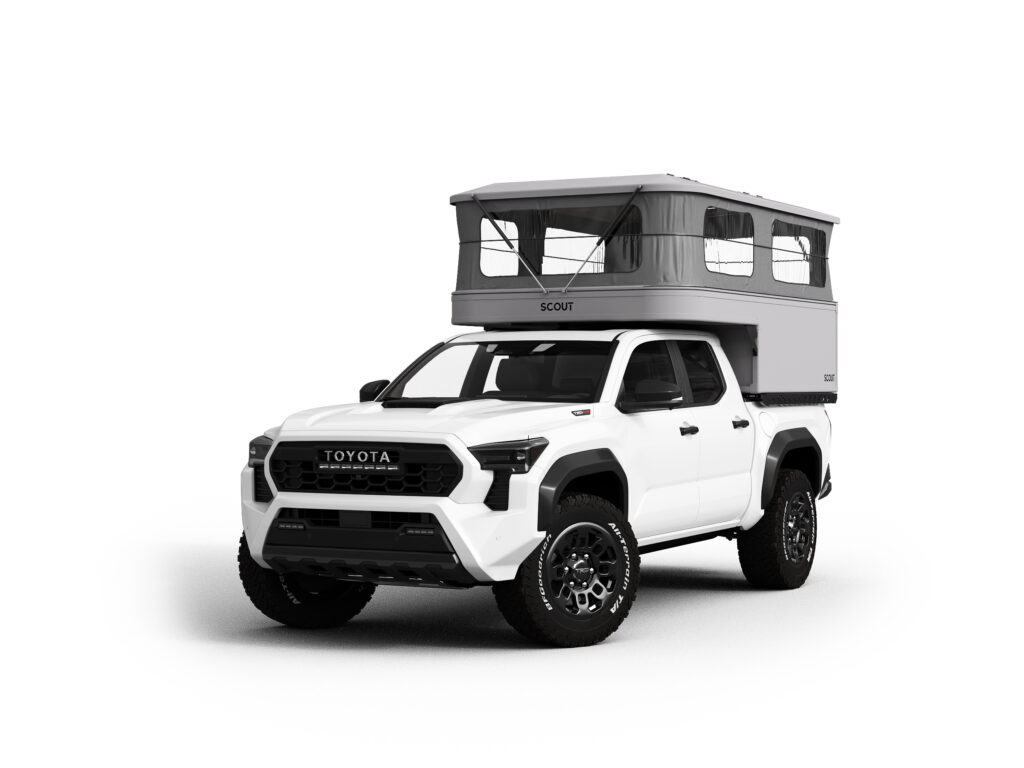
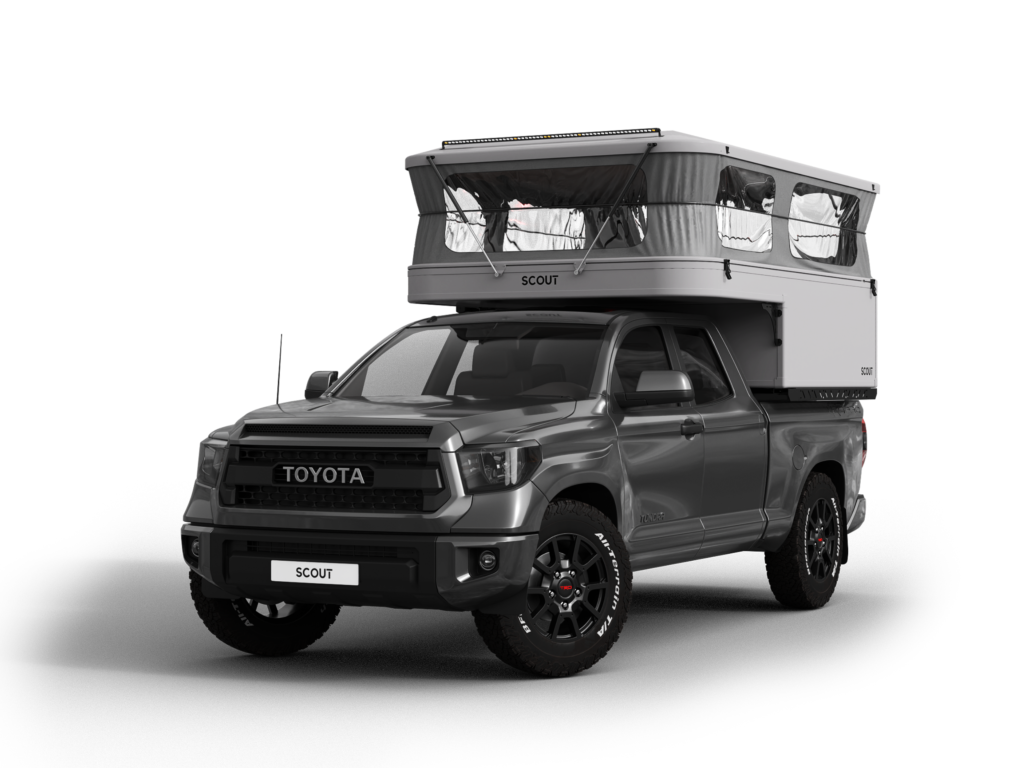
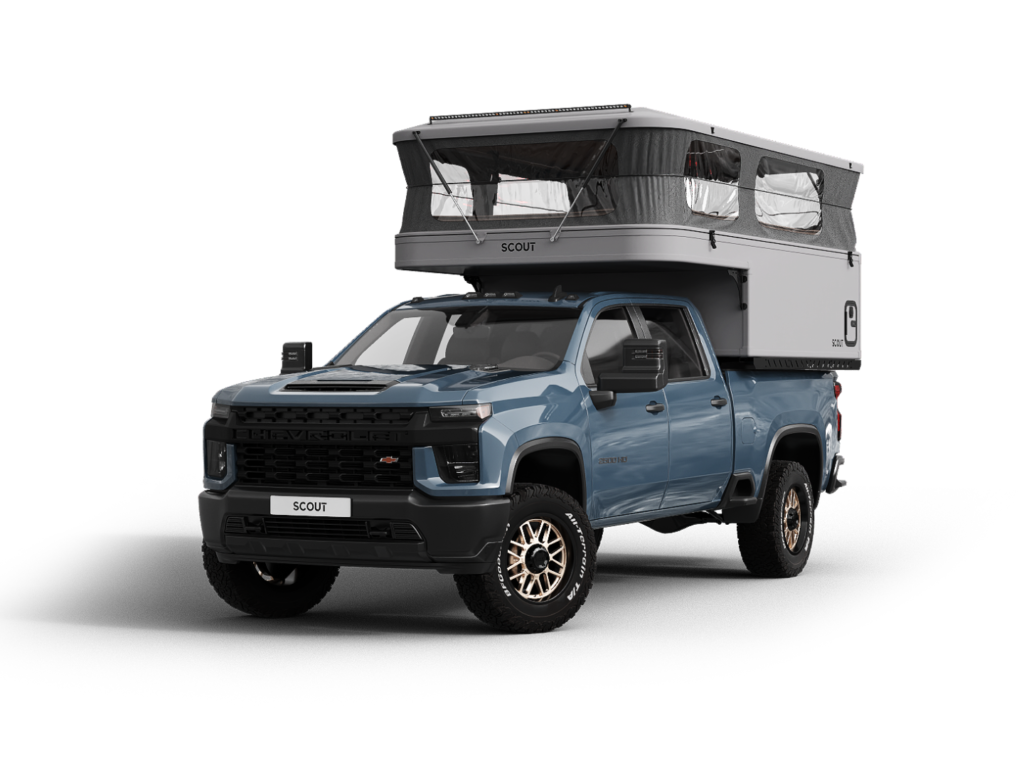
Your First Day With a Scout Camper
You just picked up your new Scout Camper. Now what?
Whether you’re getting ready for your first weekend away or just getting familiar with your new setup, knowing how everything works makes all the difference.
Scout Campers are designed around one simple idea: less complexity, more time outside. But even the simplest truck camper has a few things worth learning before you hit the road.
In this episode of Scout Shop Talk, Jordan, our lead technician at the Scout Hub, walks through everything you need to know about your new Scout. From securing your camper to your truck to managing power, water, heating, and interior features, this is your complete Day 1 orientation.
The walkthrough covers both Scout Hardwall and Pop-Up truck campers, including the features they share and the differences between them.
Watch the full video: Day 1 in Your Scout Truck Camper | Scout Shop Talk

1. Getting to Know the Exterior of Your Scout Camper
Before heading out, it’s worth getting familiar with the exterior components that keep your camper secure, protected, and ready for the road.
How Does a Scout Camper Attach to Your Truck?
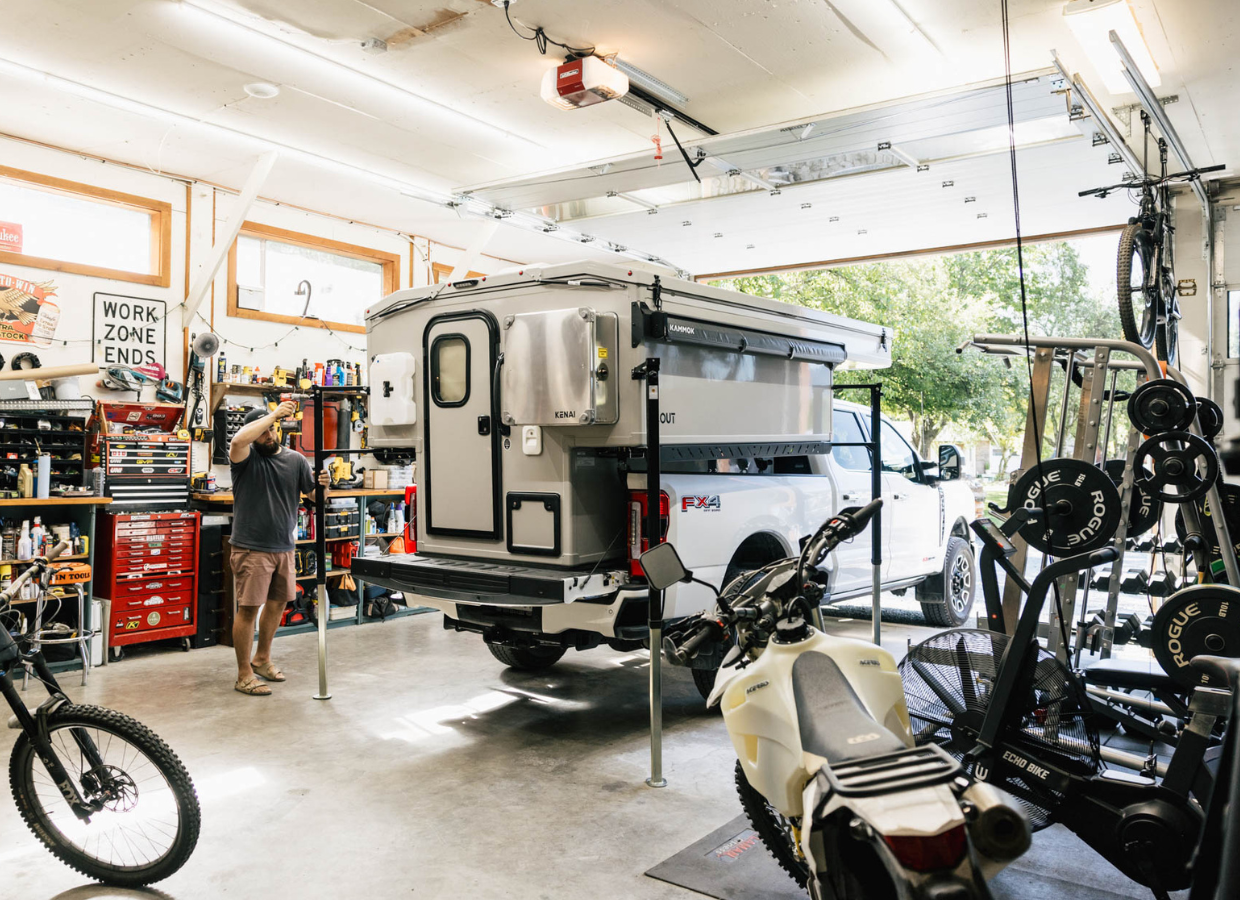
Scout Campers use a tie-down system designed to secure the camper to the truck bed. Understanding how your tie-downs work and checking that everything is properly secured is an important part of preparing for any trip.
Jordan walks through the tie-down system, bedrail bumpers, and grounding strap, explaining where these components are located and how they fit into your setup.
The video also covers Scout’s removable camper jack system, which allows owners to load and unload their camper when needed.
One of the benefits of a removable jack system? You can leave the camper set up at camp and use your truck independently, giving you more flexibility once you’ve reached your destination.
Jump to the video:
- 00:24 – Bedrail Bumpers and Grounding Strap
- 00:53 – Camper Tie-Down System
- 03:12 – Removable Camper Jacks
2. Understanding Your Scout Camper’s Power System
One of the biggest advantages of owning a Scout is the ability to spend time off-grid without relying on traditional campground hookups.
Scout Campers are designed with solar integration and modular power options that help you stay connected to the essentials while camping away from developed sites.
How Does Solar Power Work in a Scout Camper?
Scout Campers use roof-mounted solar panels to capture energy from the sun. Depending on your model and configuration, that energy can support your camper’s electrical system and compatible power storage equipment.
In the video, Jordan explains the location and purpose of several important electrical components:
- Solar panels: Generate electricity from sunlight.
- 7-way connection: Provides the electrical connection between your truck and compatible camper systems.
- Shore power connection: Allows compatible equipment to receive external power when available.
- Battery and power systems: Store and distribute energy to supported camper equipment.
- Inverter: Makes stored battery power available to compatible AC-powered devices.
Jordan also covers Scout’s Unbound Power Tower (UPT) systems, including the UPT V2 found in the Pop-Up walkthrough.
The takeaway? Scout’s power options are designed to give you flexibility. You can choose a setup that supports the way you camp without adding unnecessary complexity.
Jump to the video:

3. Heating, Ventilation, and Staying Comfortable
A good truck camper should make it easy to stay comfortable when the weather changes.
Scout’s insulated construction, available heating systems, and ventilation features help make camping possible across a wide range of conditions.
How Do You Use the Diesel Heater in a Scout Camper?
The diesel heater provides a source of interior warmth without requiring a traditional RV furnace setup.
Jordan explains the heater’s components and control panel, including how owners interact with the system.
Before your first cold-weather trip, it’s worth learning where the controls are located, how your particular heater operates, and what its fuel and ventilation requirements are.
Scout also incorporates ventilation features, including screened windows and roof vents, to help manage airflow throughout the camper.
Jump to the video:
4. Water Storage and Everyday Essentials
Scout takes a different approach to water storage than many traditional RVs.
Rather than relying entirely on large, permanently integrated plumbing systems, Scout offers portable water storage options designed to be simple, versatile, and easy to manage.
How Does the Water System Work in a Scout Camper?
In the walkthrough, Jordan covers the sink, water storage options, and LifeSaver Jerrycan with charcoal filter.
Portable water storage means you can bring water where you need it, refill compatible containers independently, and avoid some of the complexity associated with traditional RV plumbing.
For owners who want to spend more time away from established campgrounds, understanding how to manage and replenish water is an important part of trip planning.
Jordan also covers exterior RotopaX water storage and how it fits into the overall camper setup.
Jump to the video:

5. Making the Most of Your Camper’s Interior
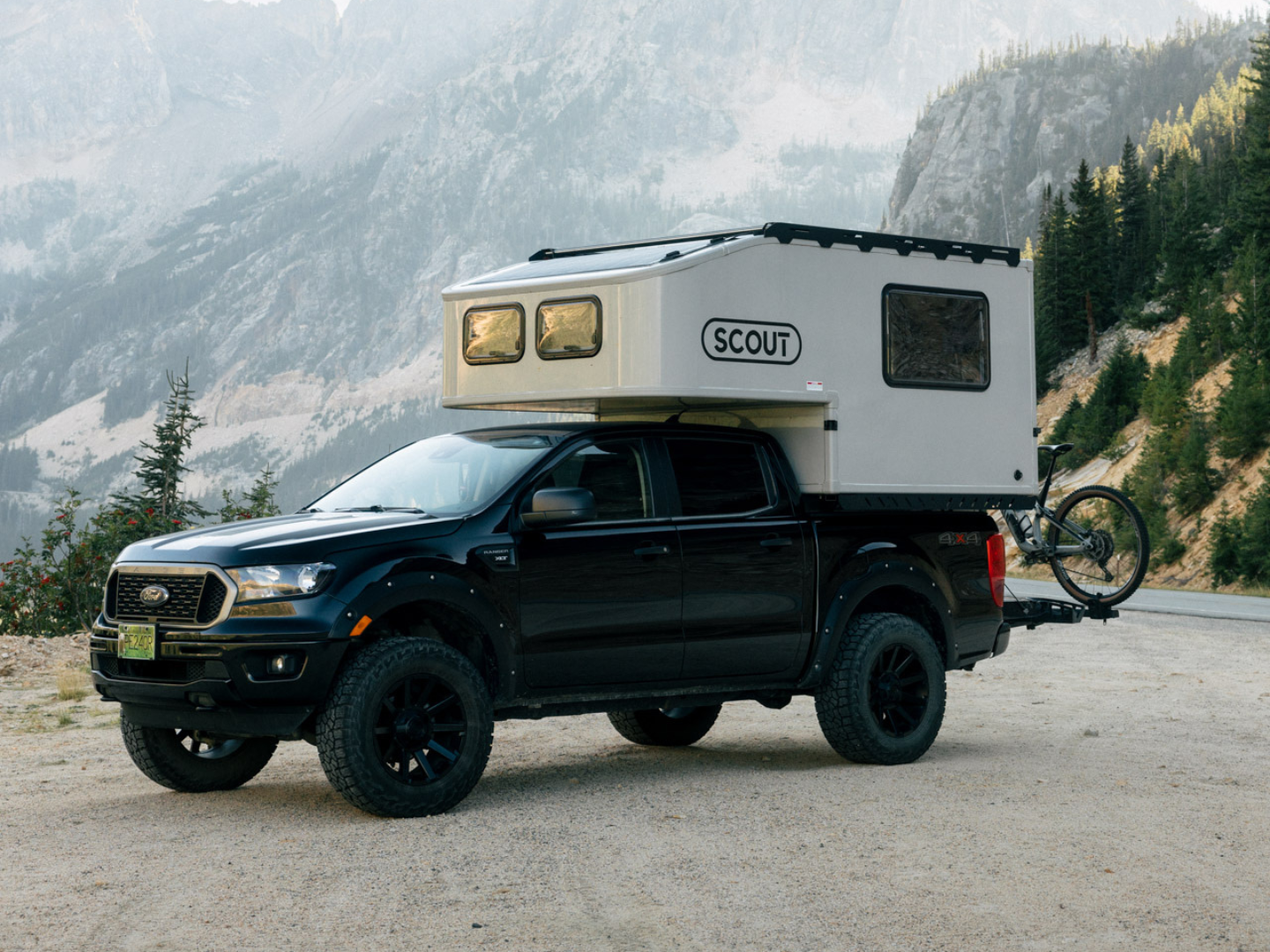
A Scout Camper is intentionally designed to make a relatively small space work harder.
Rather than filling the interior with permanently installed equipment, Scout focuses on useful, adaptable components that give owners more flexibility.
Depending on your model and configuration, these may include:
- Convertible lounge: A comfortable place to sit, eat, work, or create additional sleeping space.
- Lagun table: An adjustable table that can be repositioned to suit different activities.
- Removable cushions: Flexible seating and sleeping arrangements.
- Bunk extension: Additional sleeping space when needed.
- Dometic fridge/freezer: Portable refrigeration for food and drinks.
- Utility brackets: Convenient mounting points for compatible accessories.
The benefit is simple: your camper can adapt to the day you have planned.
Spend the morning working at the table, the afternoon outside, and the evening relaxing inside without needing a larger, more complicated RV.
Jordan demonstrates these features and explains how to get the most from the available interior space.
Jump to the video:
Frequently Asked Questions About Scout Campers
Are Scout Campers difficult to set up?
Scout Campers are designed to minimize the complexity of traditional RV ownership. Their modular amenities, straightforward layouts, and intentionally simple systems make them approachable for first-time truck camper owners. However, proper loading, securing, and operation are still essential.
Can you use a Scout Camper without campground hookups?
Yes. Scout Campers are designed for off-grid camping, with solar integration, portable water storage, and available heating and power systems. How long you can remain off-grid depends on your specific equipment, available sunlight, water supply, and energy consumption.
Can you remove a Scout Camper from your truck?
Yes. With the appropriate camper jack equipment, Scout Campers can be unloaded from the truck and used as a stationary basecamp. Always follow Scout’s unloading and support requirements, including using stable, level ground and properly supporting the camper when it is off the truck.
Do Scout Pop-Up campers need electricity to raise the roof?
No. Scout’s Easy-Rise lift system is manually operated and does not require an electric motor to raise the roof.
What’s the difference between Scout Hardwall and Pop-Up campers?
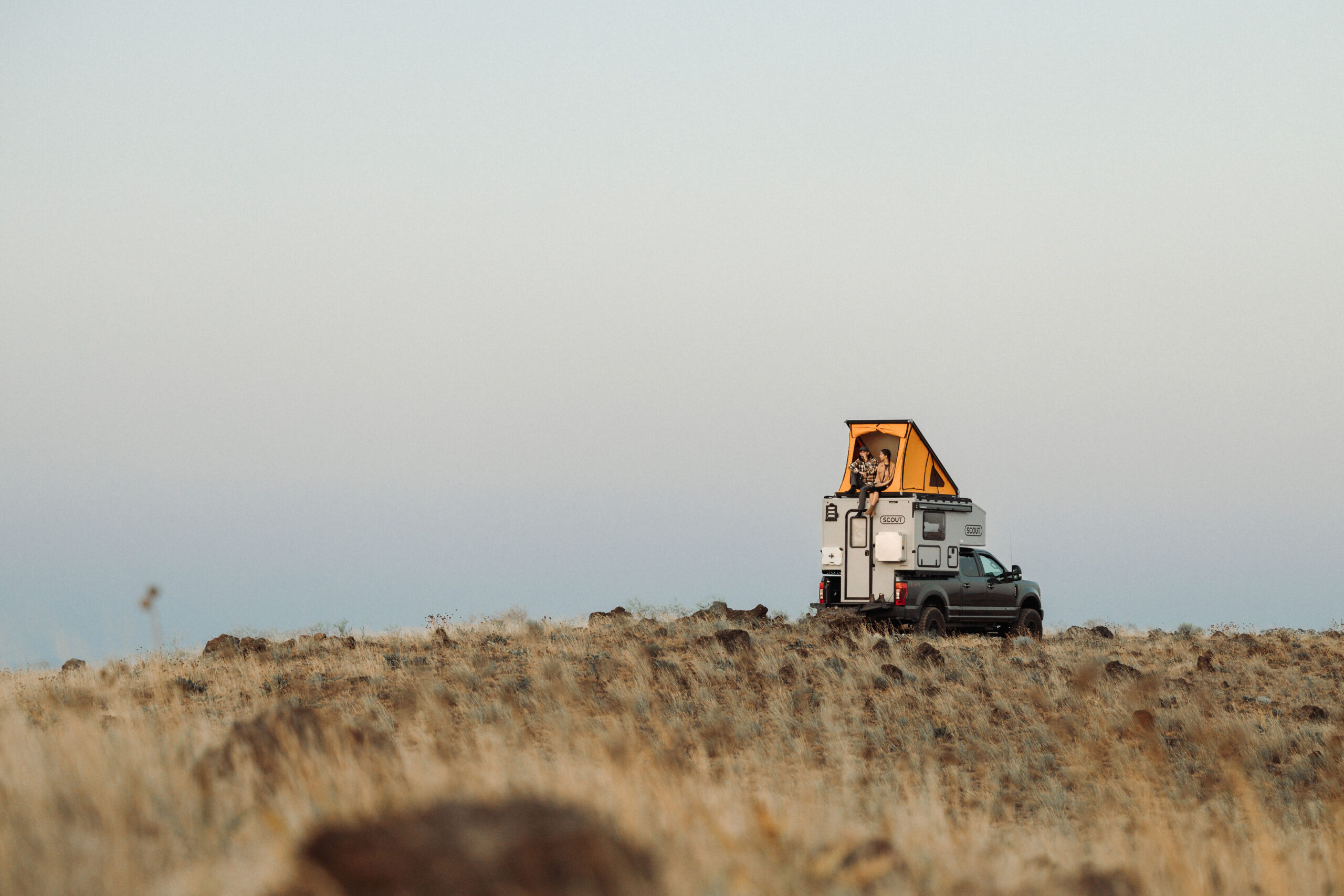
Scout Hardwall campers have a fixed-height structure, while Scout Pop-Up campers feature a roof that lowers for travel and raises when parked. Both share Scout’s focus on lightweight construction, modular equipment, and simple off-grid camping.
Ready for Your First Trip?
The best way to get comfortable with your Scout Camper is to spend some time learning how everything works before you head out.
Start with the basics, get familiar with your equipment, and don’t feel like you need to figure everything out at once.
That’s what Scout Shop Talk is here for.
Watch the Complete Scout Camper Day 1 Walkthrough on YouTube
Still have questions? Our team is here to help.
Contact Scout Campers | Find a Scout Dealer
Camp Simple.


This website uses cookies on your device to enhance site navigation, analyze site usage, and improve the user experience. View our Privacy Policy for more information.